Loading...

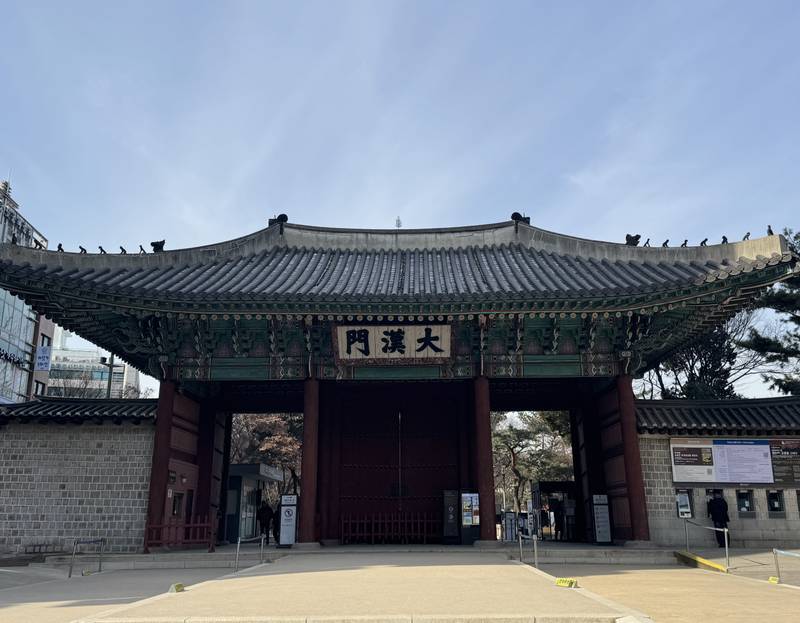
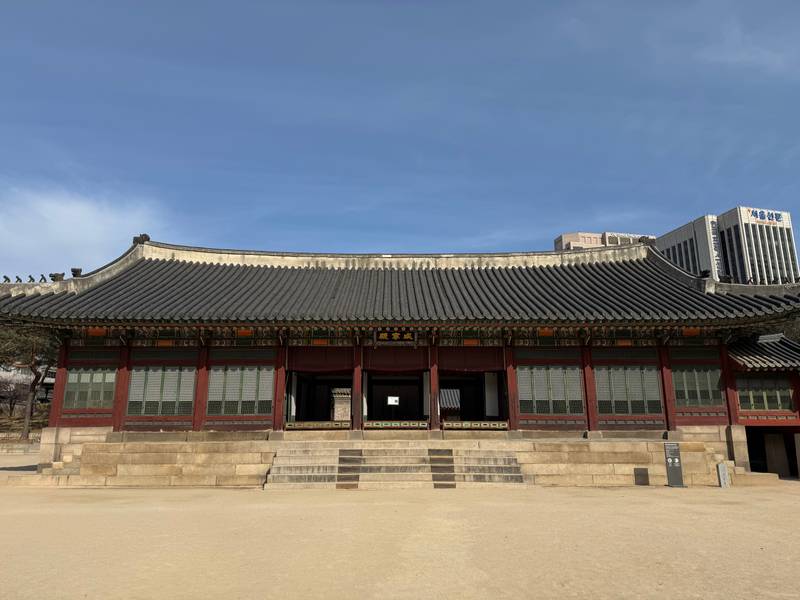
The shadows of great powers surrounding Deoksugung Palace
Sightseeing-focused
Starting point
Deoksugung Palace Daehanmun Gate
2nd floor, 5 Deoksugung-gil, Jung-gu, Seoul, Republic of Korea
Google Maps has limited walking and transit routes in Korea — Naver or Kakao Map give more accurate directions.

MJ
Could overview Korean history from late joseon dynasty to modern days. This tour is so much dedicated and detailed.
ania.samolowka
That’s an amazing tour! I discovered places in Seoul I’ve never seen before, but also learned a lot about the beginning of Japanese occupation and Emperor Gojong. I was very surprised how rich in knowledge this tour was.
luisacbmattoso
Very interesting tour, it was nice to learn more about Korea's history and especially about an Emperor that had so much background history and lived through one the most turbulent times in Korea history
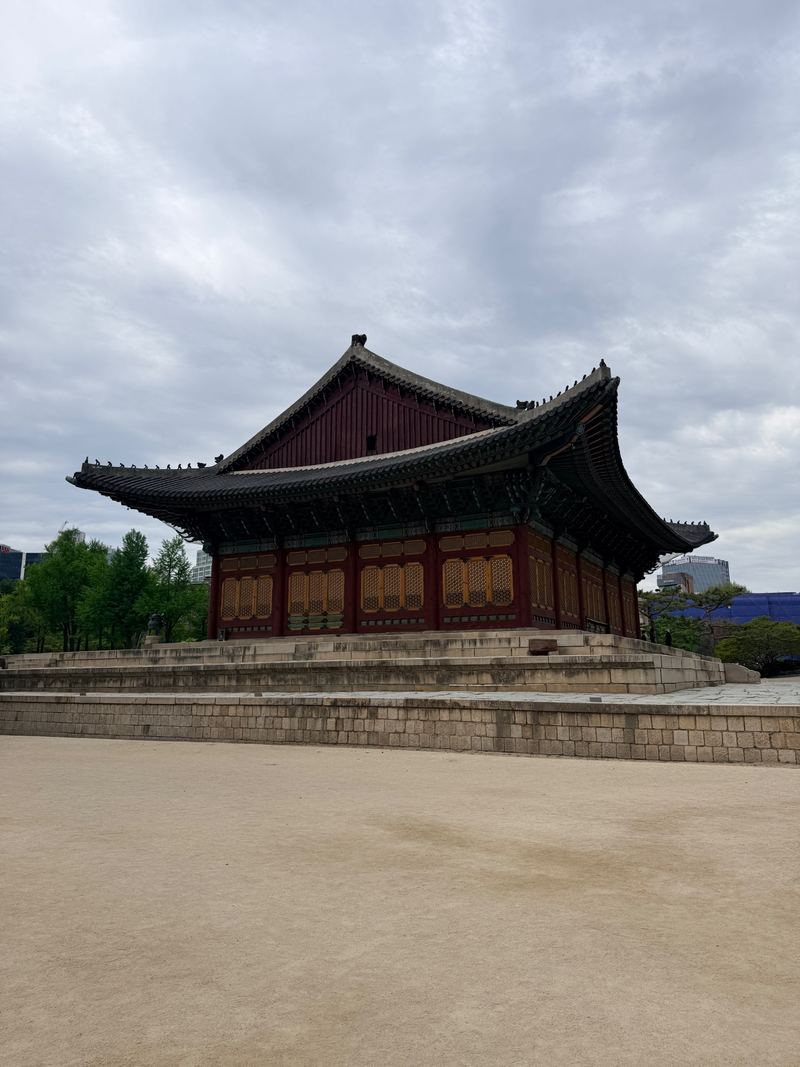
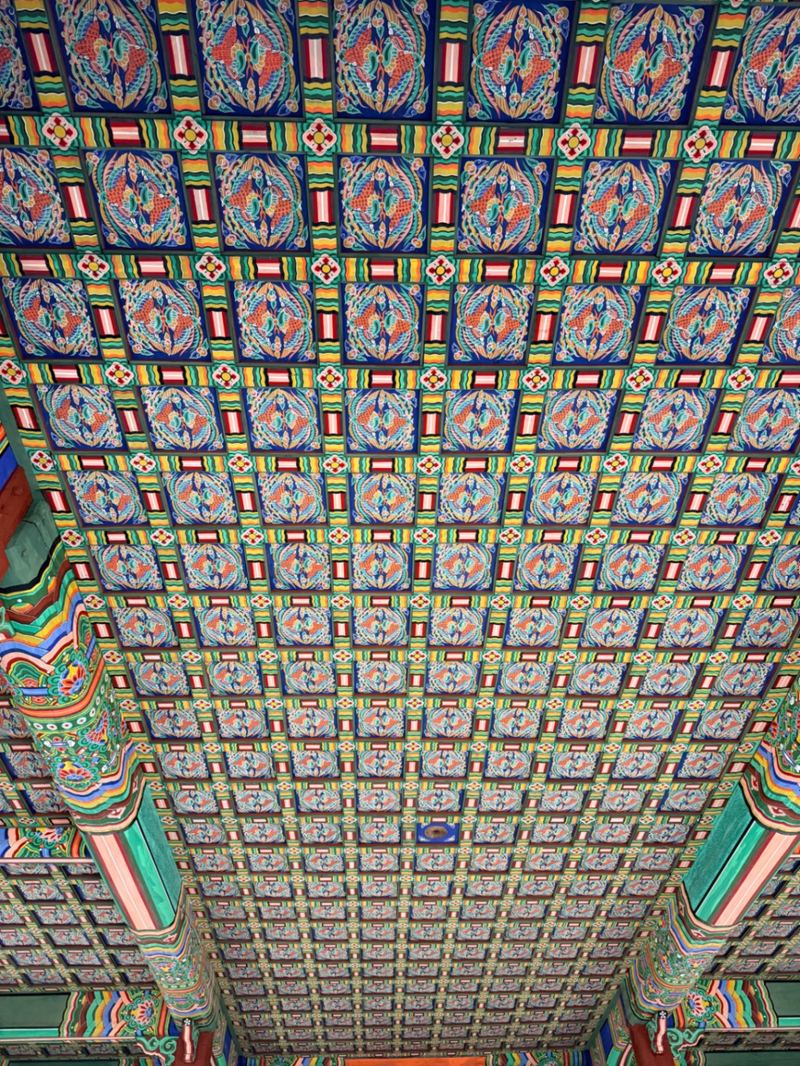
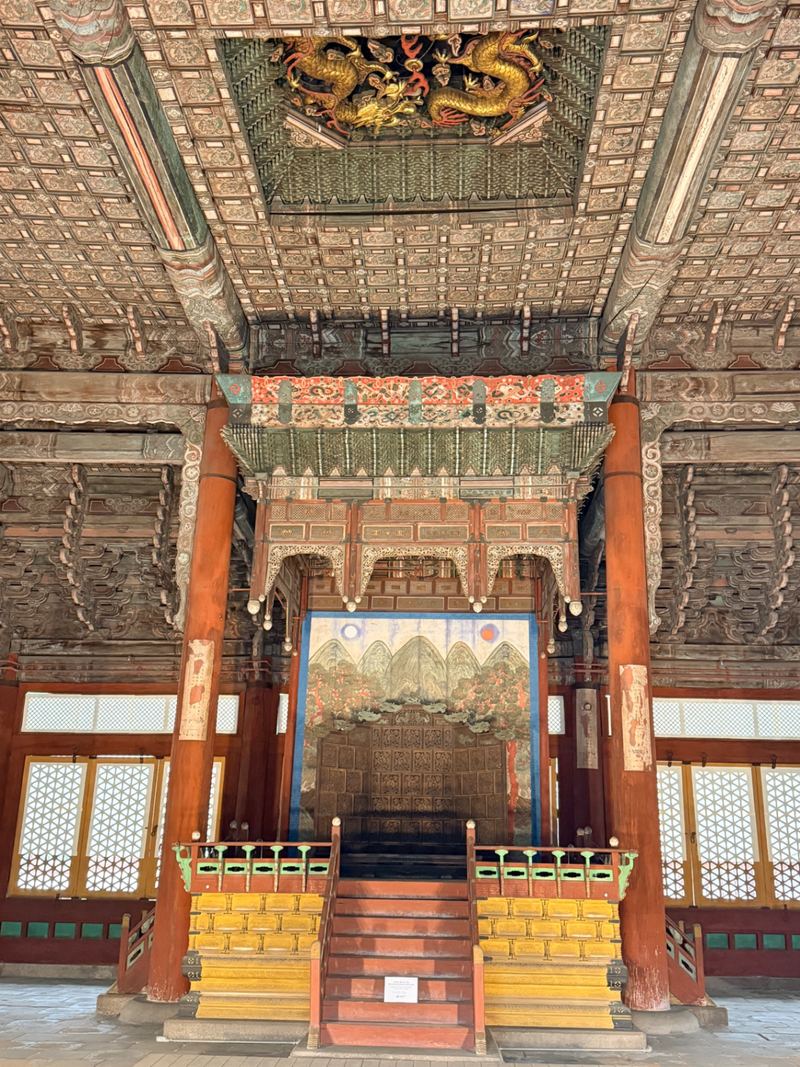
It follows the 13 years of the 500-year-old Joseon Dynasty, when it ignited its final flame under the name of the "Korean Empire." It delves into the lonely decision of Emperor Gojong, who rose from king to emperor but ultimately failed to protect his nation, and the diplomatic battles between Russia, the United States, and Japan that surrounded him.
A quick checklist for your walking tour
Currently showing start and end points only. Purchase to unlock the full route with all stops and walking directions.
81 recommended spots around this course
Purchase to see the full map of recommended places
Click on an item to view its location on the map.
Based on 7 reviews
Tap a rating to filter reviews
MJ
Could overview Korean history from late joseon dynasty to modern days. This tour is so much dedicated and detailed.
ania.samolowka
That’s an amazing tour! I discovered places in Seoul I’ve never seen before, but also learned a lot about the beginning of Japanese occupation and Emperor Gojong. I was very surprised how rich in knowledge this tour was.
luisacbmattoso
Very interesting tour, it was nice to learn more about Korea's history and especially about an Emperor that had so much background history and lived through one the most turbulent times in Korea history
nickyinfluencerlee
I really recommend this tour. I learned a lot about 덕수궁, all the audios are clearly explained, there was a lot interesting facts that I didn't know before. Is was easy to following and include a lot of interesting spots. Really recommended for people traveling solo or with friends and wanted to learn more about korean history. Thank you for the tour!
heolya000
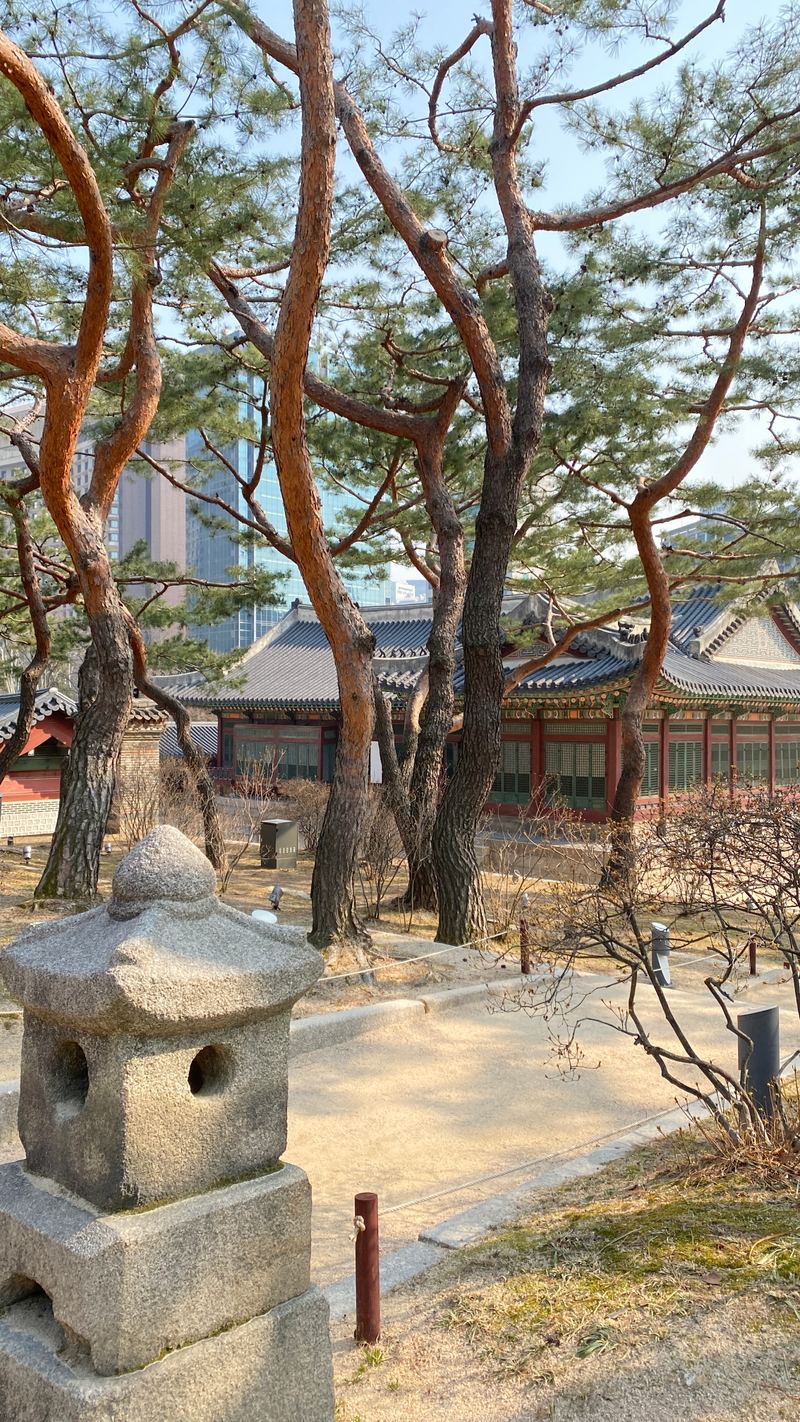
I honestly didn’t expect to fall in love this much with Deoksugung Palace… but I did 🥹✨ Compared to other palaces, it feels a lot more calm and less crowded, which made the whole experience so soft and peaceful. Walking through the palace felt like stepping into a quiet little story slow, dreamy, and a bit magical 💫 One thing I really loved is the mix of traditional Korean architecture and a slightly modern vibe. It’s simple, elegant, and not overwhelming at all. Perfect if you just want to take your time, enjoy the view, and soak in the atmosphere 🌿 Also… can we talk about how pretty it is for photos? 🥺📸 Every corner is aesthetic without even trying. Golden hour here? literally a dream. If you’re looking for a palace that feels more intimate, calm, and healing rather than super touristy this is definitely the one 💛 Final thoughts: A soft, peaceful, and underrated gem in Seoul. I’d 100% come back again 🏯✨
luthfiyyayasmin2112
Very easy to access,helpful and practical! It’s my first time using tour audio guide and it was wonderful. I get to know each background story of the places and the best part is the audio is in english! I would love to use this service again in the future ~
firdafauziah046
Everything was so good! I find hidden gems that a lot of people never said about how beautiful the place! Its really helping me a lot to find good spots in seoul